
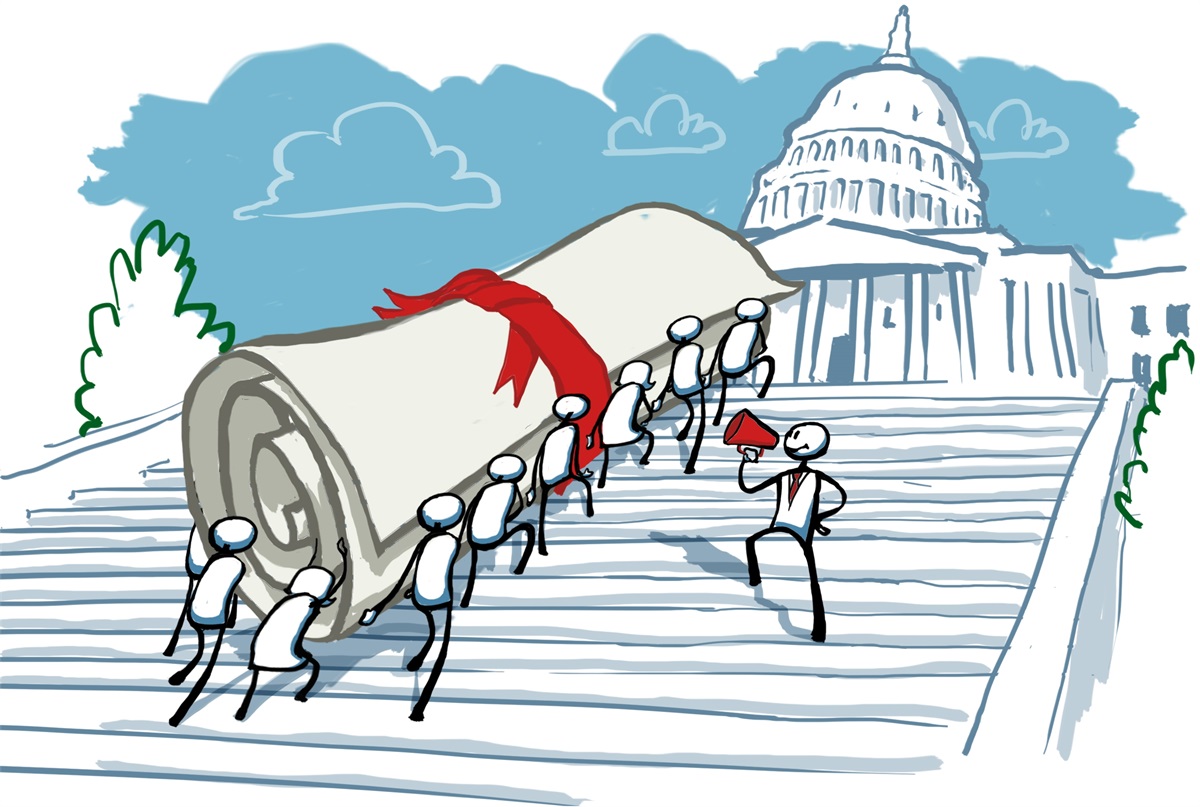
According to multiple news outlets, Congress looks set to pass the first major piece of retirement legislation in a decade this week, the SECURE Act. Secure is an acronym that stands for Setting Every Community Up for Retirement Enhancement. The vote is tied to the spending bill needed to keep the government open, which Congress is trying to pass before leaving town for the holidays. That means a list of changes for retirees related to their required minimum withdrawals, the way they use IRAs, and rethinking estate planning options.
First, a little background - the Secure Act has been in the works for roughly three years and has enjoyed bipartisan support, despite being stalled for years. As of last week, many policy watchers didn’t expect it to get passed given the current political climate and issues consuming Washington, D.C. But different pieces of legislation often are attached to must-pass appropriations bills at the last minute, and that is what has happened with the SECURE Act this week.
What does this mean for you if this bill were to pass as currently proposed?
- First, if passed in the current state there is a provision that would make beneficiaries of an IRA draw down the account, and pay income tax on the money, over a decade, rather than a lifetime. This will reduce the amount of time the account has to potentially grow tax deferred and also increase the amount required to withdrawal each year which could impact the beneficiary’s income taxes negatively. There are several planning strategies clients could use, depending on the personal financial situation if this provision goes through including funding life insurance policies and ROTH conversions. Clients that choose to use these strategies would attempt to pull money out of their IRA at their current tax rate and potentially use the life insurance or the ROTH conversion as an area with growth potential that could potentially pass to heirs tax free.
- Second, if passed in its current state it would remove the age cap for IRA contributions allowing those working longer to continue saving for retirement. That could give you more time to consider doing a ROTH conversion which could give them a larger amount of tax fee assets to draw from.
- Next, this bill as proposed delays required minimum withdrawals until the age of 72 from current 70.5. This could allow clients that do not need their retirement income yet to have more tax deferred growth potential.
- Next, this bill has provisions that could encourage annuities in work-based retirement plans, giving participants the ability to have an income stream from an annuity.
- Next, the bill would allow people to use $10,000 of 529 plans to pay off student debt.
- The last part I want to highlight, that is near and dear to my heart as an adoptive parent and advocate, is in this bill as currently proposed is it would allow people to take $5,000 from 401(k) plans without penalty to help with the costs related to a child’s birth or adoption. (Income taxes would still apply)
To summarize, this bill has a lot of provisions that will affect each person differently. If passed it’s important to have a conversation with your advisor about how this might affect you.
We believe the best way to know how it affects you if passed is to create a comprehensive financial plan that looks at your individual goals, objectives, and financial situation. If you are ready to create your plan, give us a call today at 412-357-2002.
If you found this information useful please leave your comment on our Facebook post or on our advisors' LinkedIn posts and share this post with your friends and family.
This material is for informational purposes only. It represents an assessment of the market environment at a specific point in time and is not intended to be a forecast of future events, or a guarantee of future results. Waddell & Reed does not offer tax or legal advice.